Your data matters blog
Stay one step ahead of the scammers – 31 March 2020
There’s growing evidence of a spike in email and phone scammers as criminals look to seize on people’s vulnerabilities during the current coronavirus pandemic.
Maybe you’ve received one claiming to be from organisations you would trust such as:
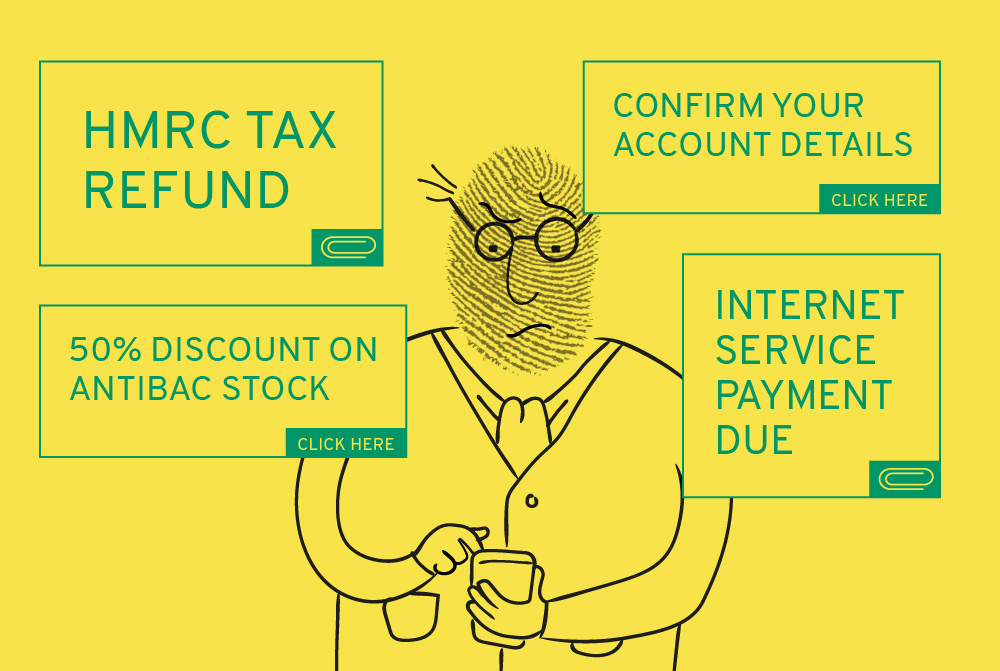
- the Government asking for your bank details so money related to free school meals can be transferred;
- HMRC stating you have a tax refund;
- banks asking you to confirm your details;
- emails from criminals disguising themselves as an organisation;
- callers offering coronavirus testing kits and protective equipment; or
- calls telling you your internet is going to be cut off in 24 hours because you’ve been hacked.
The common factor with emails is that you can only find out more if you click on a link or open an attachment. An automated call will invariably ask you to press buttons on your phone and skilled criminals on live calls can deftly convince you of their legitimacy. And that’s when the damage starts. Either by inadvertently giving criminals access to your computer or phone or, at the extreme end of the scale, emptying your bank account.
The good news is there are some simple steps to take to ensure you stay safe and don’t fall victim to these invisible criminals. Before you take any action, pause and take a moment to consider:
- Is the email addressed to you personally or is it addressed to “Dear customer” or “Valued customer”?
- Is the spelling, punctuation and grammar correct?
- Does the email ask you to urgently verify details within a specific time limit?
- Does the sender’s email address look legitimate?
- Does the email look like previous emails you have legitimately had from the same organisation?
- Does the email ask for your bank account details, online banking passwords or your PIN number and CVC code for your debit card?
- Does the caller’s offer sound too good to be true? Then it probably is.
- Do you actually have an existing relationship with the caller?
Agencies across the UK, and beyond, are working together providing advice on how to stay safe online. The National Cyber Security Centre has an abundance of guidance including how to spot and deal with suspicious emails; top tips for staying safe online and securing your devices. The National Crime Agency is advising people to Stop, Challenge and Protect and to remain vigilant against fraud.
Action Fraud, which has reported a 400% rise in Coronavirus fraud reports, offers advice on protecting yourself from scams. The Financial Conduct Authority has published information about potential coronavirus scams, how they could affect you, and how to protect yourself.
Citizens Advice has a handy online toolkit which helps you check if something might be a scam and National Trading Standards has launched campaign to “wash your hands of coronavirus scams”.
You can also read our advice on these types of scams on our Your data matters web pages and if you receive any suspicious emails or phone calls you can report these to the ICO.
Remember before you open that email or proceed with a call, just take a moment – now and in the future – to consider the authenticity before you continue.
Coronavirus and personal data – 18 March 2020
Your personal information may not be your first thought when it comes to coronavirus, but if you’re worried, we’ve put together some information to help.
- Government, the NHS and other organisations will make sure you get vital public health messages via phone, email or text. You don’t need to give them your consent.
- You might be asked to give details about sensitive health conditions and recent travel that you think are excessive. Employers and organisations do have an obligation to protect their staff, so in some cases it can be reasonable for them to ask you if you have experienced coronavirus symptoms. But they shouldn’t be asking for more information than is necessary, and if you are concerned speak to the organisation involved.
- If you become ill with coronavirus, your employer might need to tell your colleagues. But that doesn’t mean they need to give out your name.
- If you’ve made a Freedom of Information request from a public body or made a subject access request (SAR) for your own information, you should expect delays in response. That’s because organisations are diverting their resources to help with other challenges.
 NottsNarpo